Optimal Timing for Concrete Leveling
Concrete levelings are most effective when performed during periods of stable weather, typically in the late spring through early fall. Temperature fluctuations and moisture levels significantly impact the curing process and adhesion of leveling compounds. Optimal conditions include temperatures between 50 and 85 degrees Fahrenheit and low humidity.
Perform concrete levelings when temperatures are consistent and rainfall is minimal to ensure proper curing and adhesion.
Late spring and early fall often provide the most stable weather for leveling projects, avoiding extreme heat or cold.
Avoid leveling during freezing temperatures or heavy rain, which can compromise the integrity of the repair.
Mid-morning to early afternoon is preferable, allowing for better drying conditions and temperature stability.
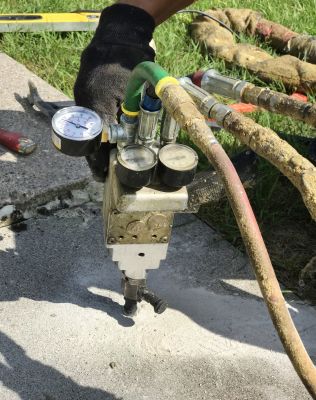
Spring offers moderate temperatures and lower humidity, ideal for effective leveling.
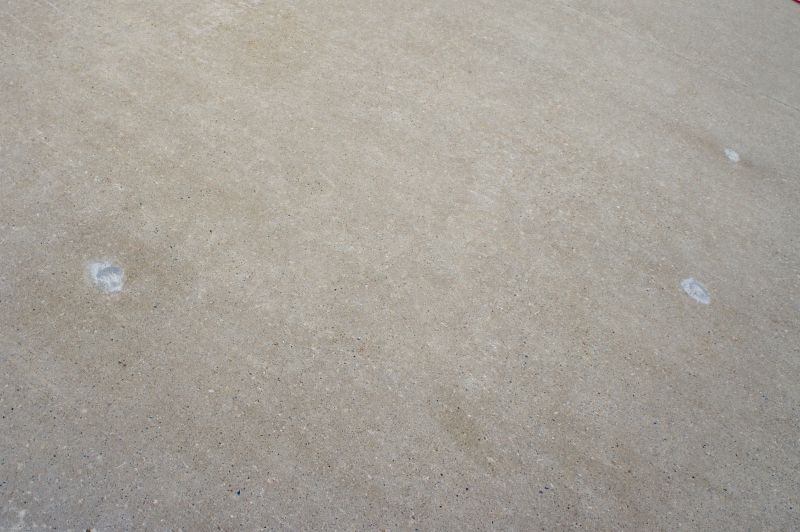
Warm, dry summer days facilitate quick curing and durable results.

Early fall provides cooler temperatures and less rain, suitable for leveling projects.
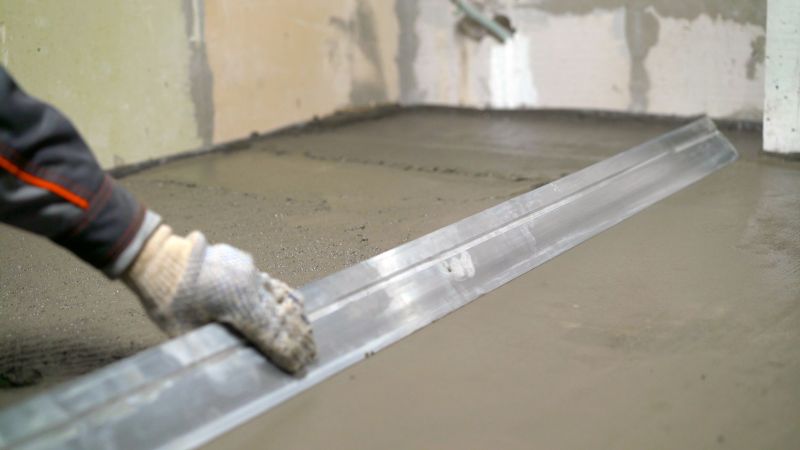
Ways to make Concrete Levelings work in tight or awkward layouts.
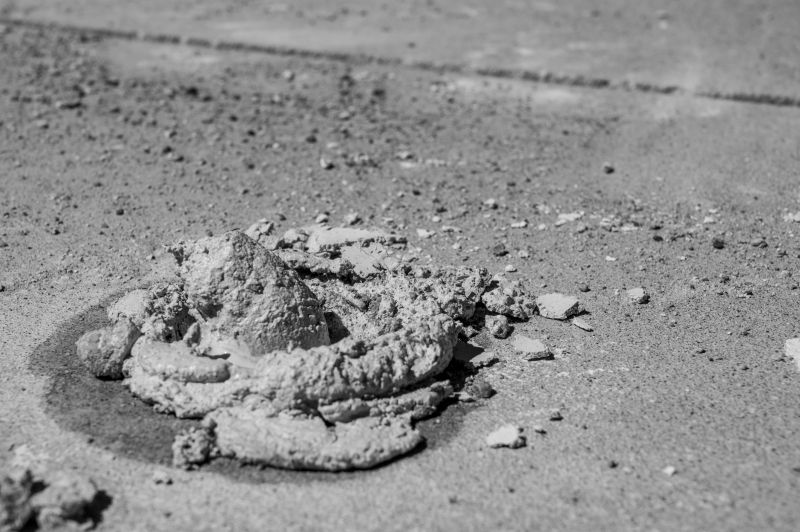
Popular materials for Concrete Levelings and why they hold up over time.
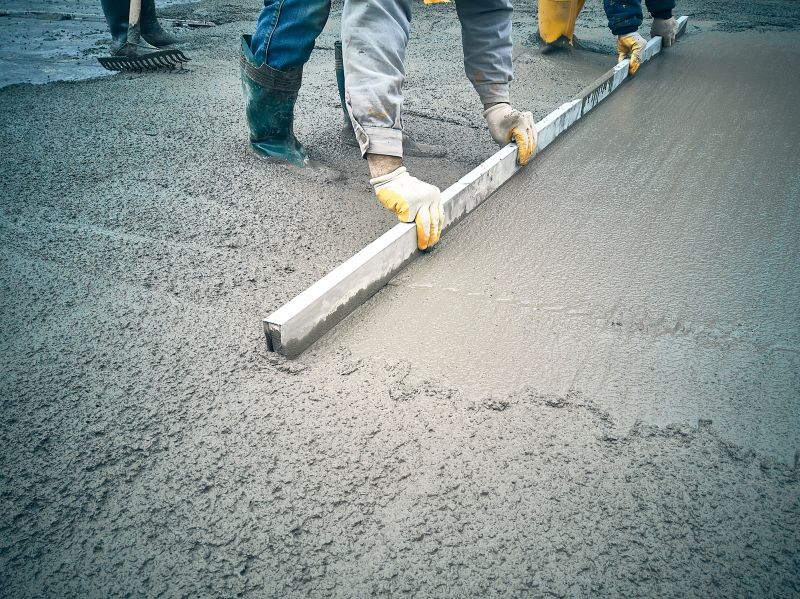
Simple add-ons that improve Concrete Levelings without blowing the budget.
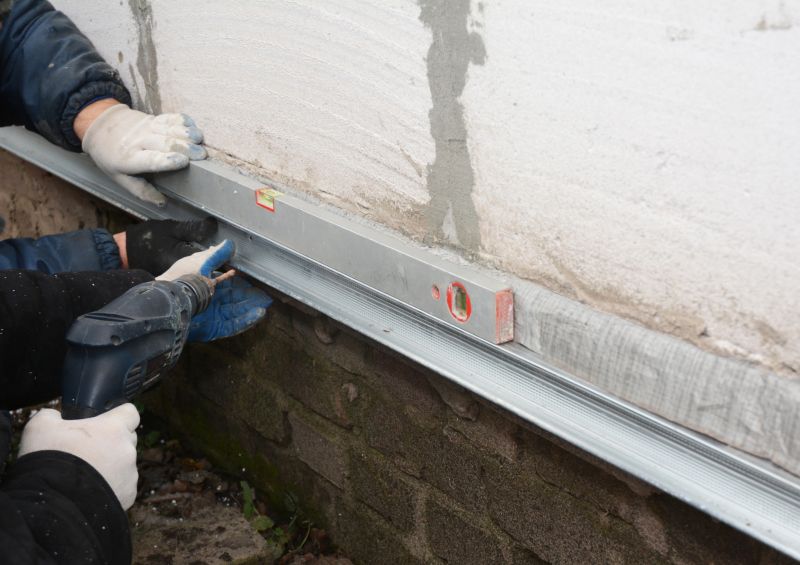
High-end options that actually feel worth it for Concrete Levelings.
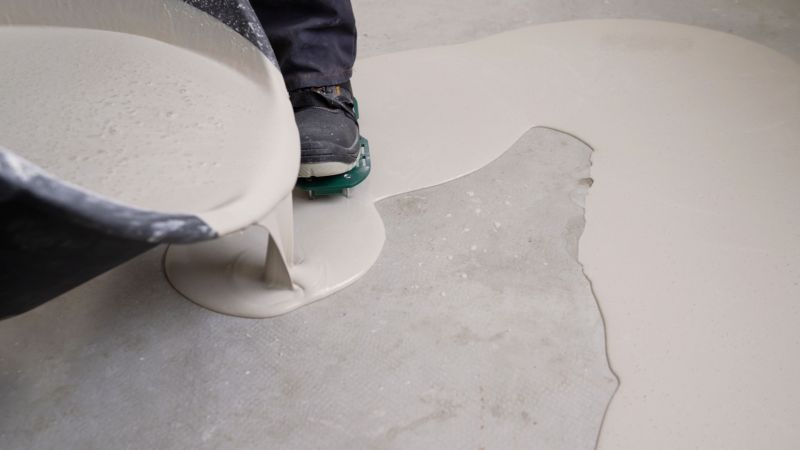
Finishes and colors that play nicely with Concrete Levelings.
| Season | Best Conditions |
|---|---|
| Spring | Moderate temperatures, low humidity, minimal rain |
| Summer | Warm, dry weather, consistent temperatures |
| Autumn | Cooler temperatures, less rain, stable conditions |
| Winter | Not recommended due to freezing temperatures |
Concrete levelings involve raising and leveling uneven or sunken slabs to restore a smooth, even surface. This process typically uses polyurethane foam or other materials to lift the concrete, providing a cost-effective and minimally invasive alternative to replacement. Proper timing ensures the materials cure correctly, resulting in a long-lasting, durable surface. Statistics indicate that when performed under optimal conditions, concrete leveling can extend the lifespan of existing slabs by several years, reducing the need for costly repairs.
The success of a concrete leveling project depends heavily on weather conditions. Temperature and moisture levels influence the curing process and adhesion of leveling compounds. Conducting work during periods of stable weather minimizes the risk of future settling or cracking. Regular inspections and timely repairs can prevent more extensive damage and maintain the integrity of the surface.
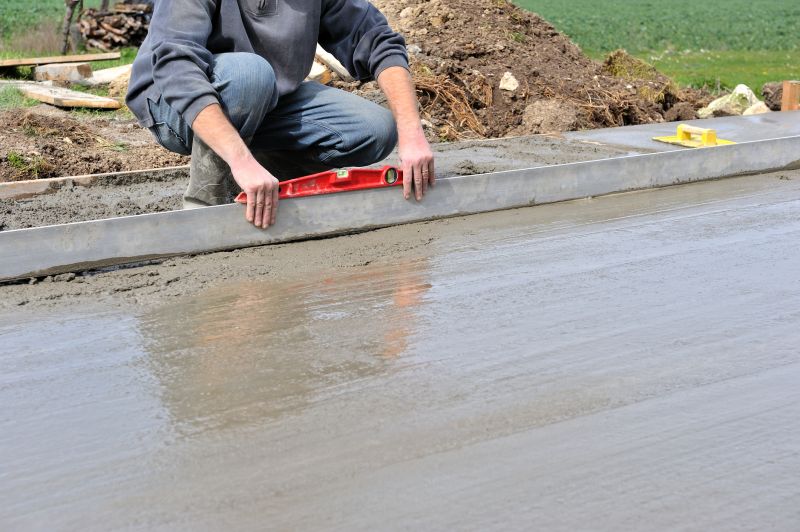
A professional process utilizing foam to lift uneven slabs.
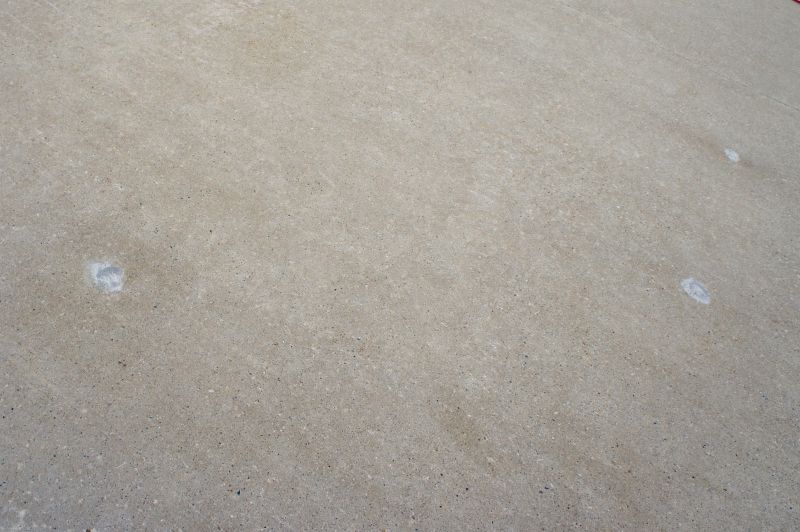
Transforming uneven surfaces into smooth, level areas.
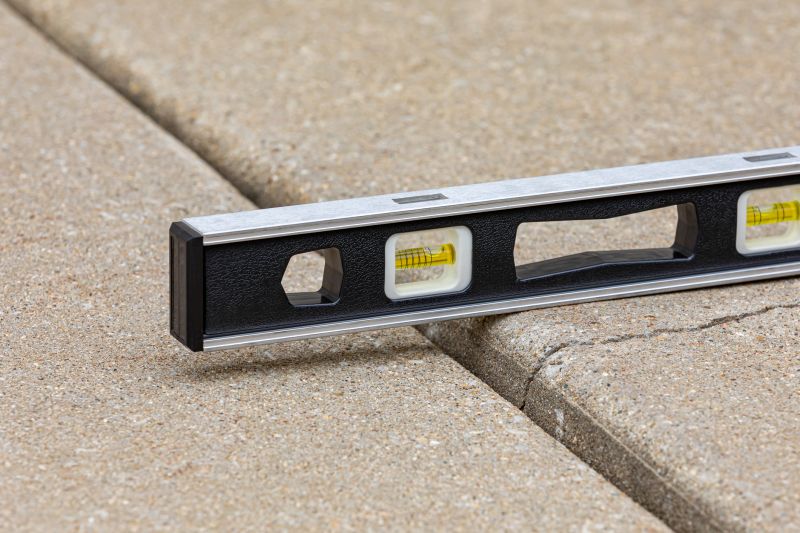
Specialized tools and materials ensure precise leveling.
A stable, even surface ready for use.
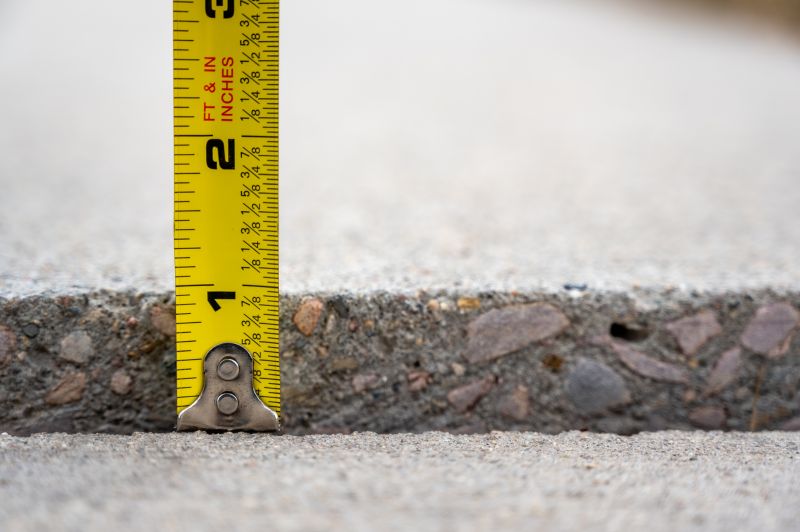
Little measurements that prevent headaches on Concrete Levelings day.
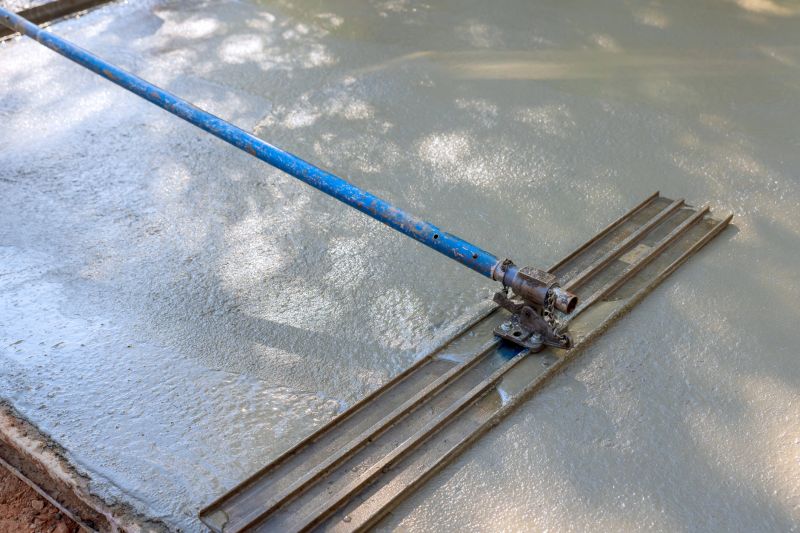
A 60-second routine that keeps Concrete Levelings looking new.
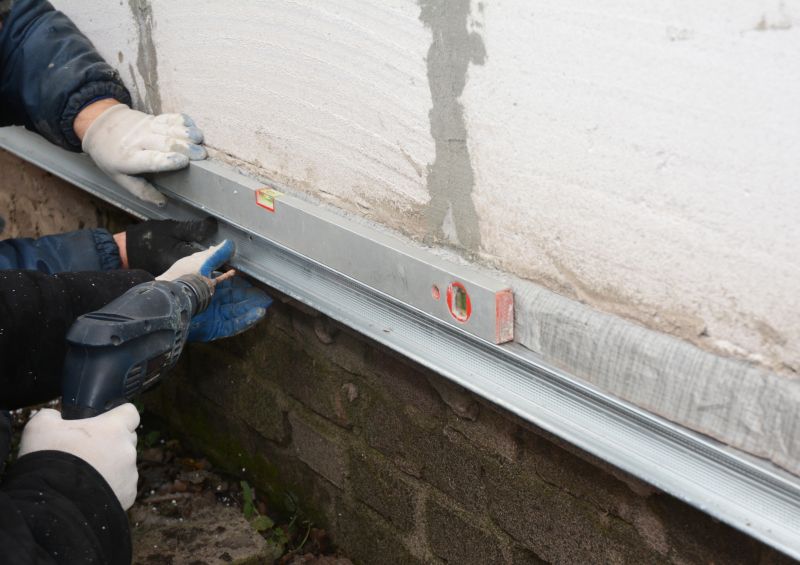
A frequent mistake in Concrete Levelings and how to dodge it.
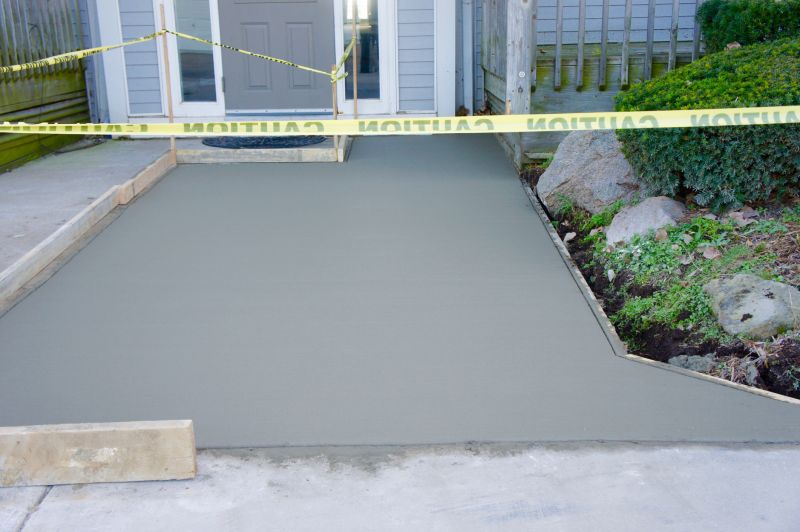
Small tweaks to make Concrete Levelings safer and easier to use.
Interested in concrete levelings for your property in Plant City, FL? Filling out the contact form can provide additional information and help schedule a consultation to determine the best timing and approach for your project.