
Ultimate Guide to Top Products For Effective Concrete Leveling
Learn about the essential tools and materials that make concrete leveling safer, faster, and more accurate for DIY and professionals alike.
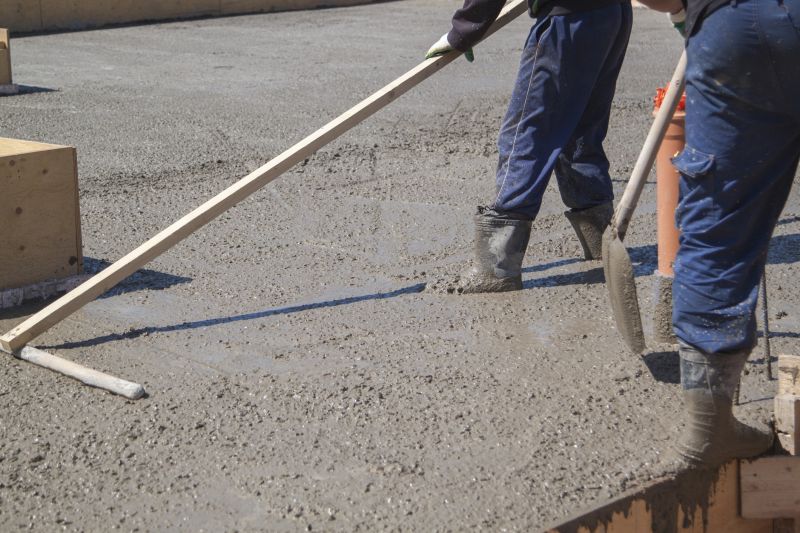 Concrete leveling products are essential tools for addressing uneven or sunken slabs in various settings, including residential driveways, sidewalks, patios, and commercial flooring. These products are designed to restore a flat, stable surface by providing a reliable method for lifting and supporting concrete that has settled or shifted over time. Proper application of these materials can help improve safety, prevent further damage, and extend the lifespan of concrete structures.
Top Overall Option
Polyurethane Concrete Leveling Kit
A versatile polyurethane foam kit designed for efficient lifting and leveling of sunken concrete slabs. It offers ease of application, quick curing times, and reliable support, making it suitable for both DIY enthusiasts and professionals. The kit typically includes foam, injection tools, and safety equipment to facilitate a comprehensive leveling process.
Types of Products For Concrete Levelings
Polyurethane Foam Injectors
Used for injecting foam beneath slabs to lift and stabilize uneven surfaces, ideal for quick repairs.
Cementitious Patching Compounds
Suitable for filling cracks and minor surface level adjustments with durable, fast-setting formulas.
Self-Leveling Underlayments
Designed for smoothing and leveling interior concrete floors before finishing layers are applied.
Hydraulic Lifting Jacks
Manual tools used to lift and support concrete slabs during or after the application of leveling products.
Polyurethane Foam Kits
Complete kits containing foam, injection tools, and safety gear for DIY concrete leveling projects.
Epoxy Injection Systems
Used for repairing cracks and restoring structural integrity in concrete surfaces.
Concrete Resurfacing Products
For applying a new surface layer over existing concrete to improve appearance and levelness.
Grouting Materials
Fluid compounds used to fill voids beneath slabs and provide support.
Polyurea Sealants
Flexible sealants for preventing water infiltration and further deterioration of leveled surfaces.
Rapid-Set Repair Mortars
Fast-curing mortars for patching and leveling concrete surfaces with high load capacity.
Underlayment Toppings
Thin layers of material designed to create a smooth, level base for flooring installations.
Liquid Leveling Compounds
Pourable products used to fill low spots and create an even surface prior to finishing.
Fast-Acting Concrete Patches
Patches formulated for quick adhesion and curing to minimize downtime.
Support Brackets and Shims
Tools used to temporarily stabilize slabs during the leveling process.
Vibration Tools
Equipment to help settle leveling compounds evenly and eliminate air pockets.
Popular Choices
Widely used for quick and effective leveling of uneven slabs, appreciated for their minimal mess and fast curing.
Commonly chosen for interior projects to produce a smooth, level surface ready for flooring.
Popular for restoring structural integrity and sealing cracks in concrete surfaces.
Frequently used in conjunction with leveling products to lift and support slabs during repairs.
Favored for quick fixes that require minimal downtime and immediate support.
Chosen for revitalizing old or damaged concrete surfaces with a fresh, even appearance.
Popular for sealing leveled surfaces against moisture and future damage.
Often selected for filling low spots in floors to prepare for finishing layers.
Used frequently for temporary stabilization during the leveling process.
Commonly used to ensure even distribution of leveling materials and eliminate air pockets.
There are several types of products available for concrete leveling, each suited to different needs and skill levels. Some products are formulated for DIY use, offering ease of application and quick results, while others are more specialized, intended for professional contractors who require high-performance solutions. The choice of product often depends on the extent of the unevenness, the size of the area, and the specific conditions of the site.
Many modern concrete leveling products incorporate advanced formulations that enable effective lifting without the need for costly and disruptive demolition or replacement. These products typically include polyurethane foam, cementitious compounds, or other quick-setting materials that can be injected beneath the slab to raise it to the desired level. Proper surface preparation and application techniques are crucial for achieving optimal results and ensuring long-term stability.
When selecting products for concrete leveling, it is important to consider factors such as ease of use, curing time, load-bearing capacity, and compatibility with existing concrete surfaces. Understanding these aspects can help users choose the most appropriate solution for their specific project, whether for minor surface adjustments or significant corrections. Consulting product instructions and, when necessary, seeking professional advice can further ensure successful outcomes.
Key Buying Considerations
- Determine the extent of unevenness or damage to select an appropriate product type.
- Consider the size of the area needing leveling to estimate the quantity of materials required.
- Assess whether a DIY-friendly product or professional-grade solution is more suitable.
- Check curing time to ensure the product fits within your project timeline.
- Review load-bearing capacity to match the intended use of the leveled surface.
- Ensure compatibility with existing concrete to avoid adhesion issues.
- Evaluate ease of application, especially if planning a DIY project with limited experience.
- Consider safety features and required protective gear during application.
- Look for comprehensive kits that include necessary tools and accessories for convenience.
- Assess the environmental conditions, such as moisture levels, which may affect curing and performance.
- Review manufacturer instructions for surface preparation and application techniques.
- Determine if the product offers flexibility or rigidity post-curing based on movement in the area.
- Consider long-term durability and resistance to cracking or shifting.
- Check for any special storage or handling requirements.
- Read customer reviews and ratings to gauge real-world performance and satisfaction.